
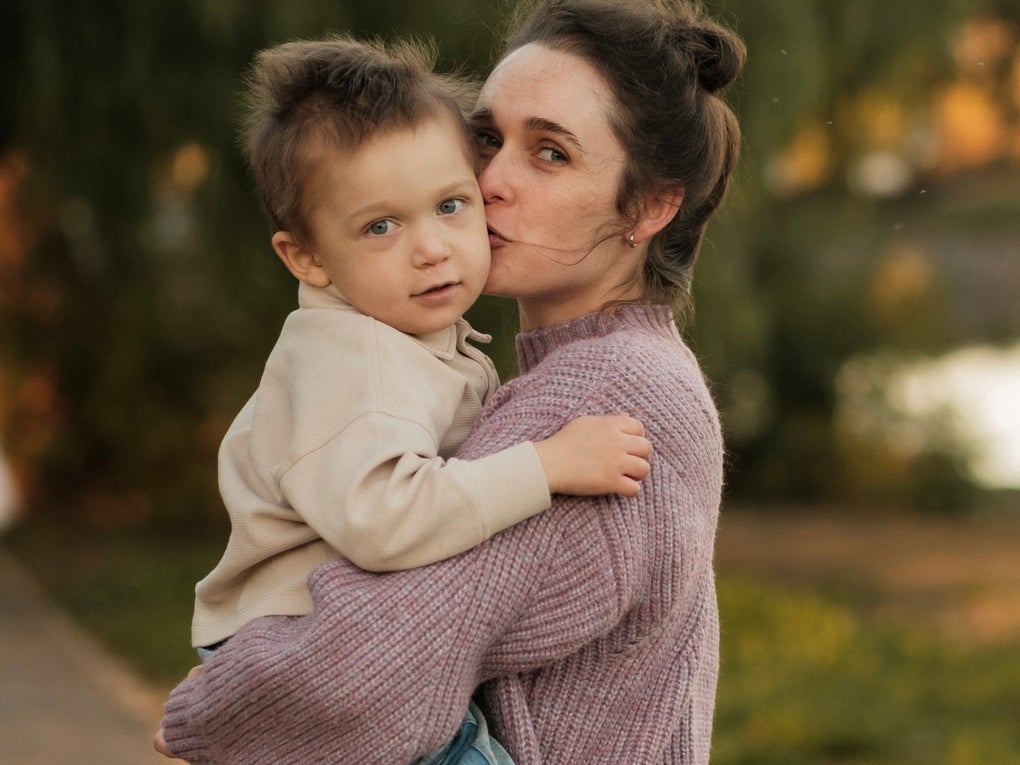
The stranger who gave Emmett a chance to see another birthday
The call that changed everything
Emmett, affectionately known as Emmie, first became seriously ill on Christmas Day 2024, when he woke with a fever. After several days in hospital, he was diagnosed with atypical Kawasaki disease and eventually recovered, with his blood counts returning to normal.
Nothing at the time pointed towards cancer.
Almost exactly two months later, the fever returned. When antibiotics did not resolve it, his paediatrician ordered further tests, including a bone marrow biopsy.
Marlouw was preparing to travel to Europe to meet her husband, Jarrett, when she received a call asking her to return to the hospital. She remembers her legs going numb because, somewhere deep down, she knew something was wrong.
On 8 March 2025, the family received the news that would change their lives: there was a malignancy in Emmett’s bone marrow. He had acute myeloid leukaemia (AML).
The following Monday, Emmett started chemotherapy.

Finding a new normal
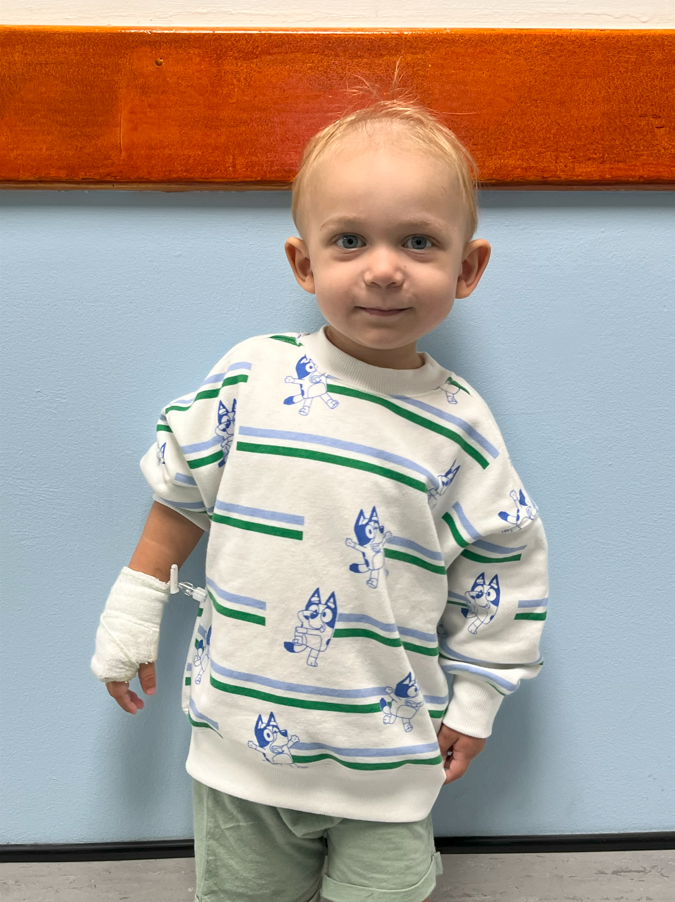
Over the next five months, he underwent four rounds of chemotherapy. There were difficult days and complications, but Marlouw says her little boy coped remarkably well.
For the family, life changed almost overnight. Marlouw and Jarrett alternated sleeping at the hospital while also trying to maintain some normality for Emmett's older sister, Anje.
Family and friends rallied around them, helping with meals, school runs and caring for Anje.
Then came another reality, Emmett needed a stem cell transplant.
His family was tested, but none of them was a 100% match. His details were searched against the DKMS global donor registry, giving his medical team access to potential unrelated stem cell donors around the world.
Several potential matches were identified.
On 2 July, the family learned that two potential donors had been identified for further testing. By 8 August, they had a transplant date.
A donor had been found, a stranger in Germany.

A second chance
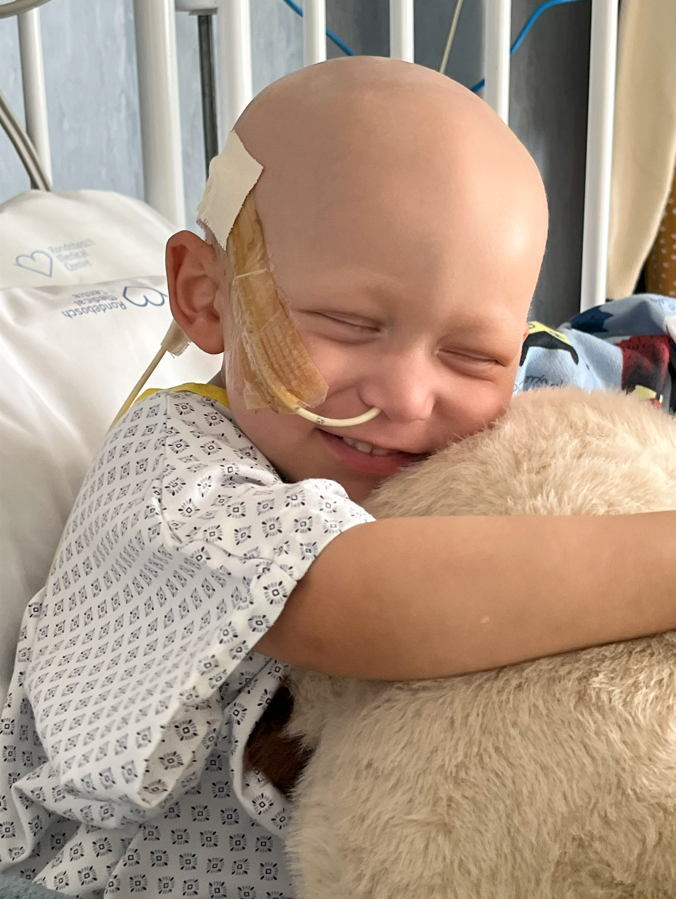
On 25 August 2025, after intensive chemotherapy to prepare his body, Emmett received his donor’s stem cells.
The infusion itself was relatively simple, but the weeks that followed were not. He experienced complications, needed oxygen and a feeding tube, and temporarily stopped walking due to muscle atrophy.
Then came the milestone his family had been waiting for, his donor cells began to engraft, starting the process of building a new blood and immune system.
After just over three months in hospital, the family could finally begin looking towards home.
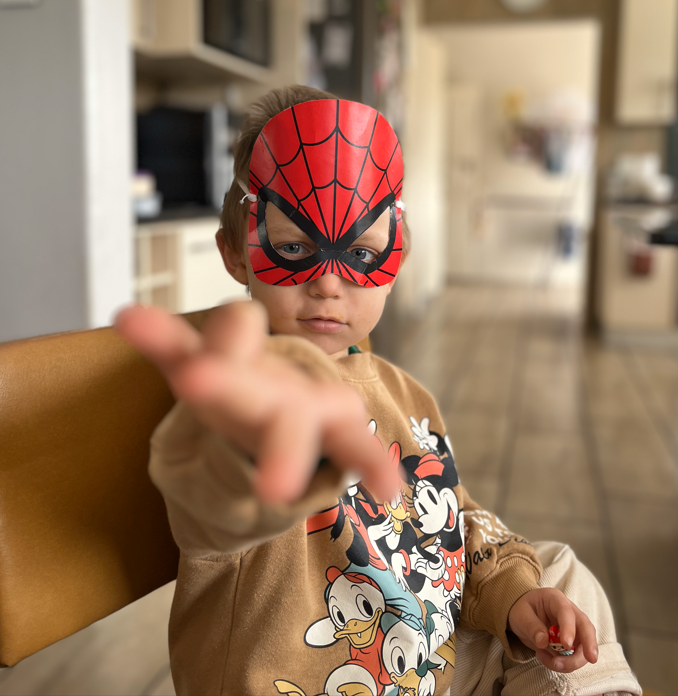
Today, Emmett is running around, talking, laughing, eating and playing with his sister.
The family remains cautious while he is weaned off immunosuppressants and continues with regular medical appointments, but they can finally look forward again.

There is another person Marlouw thinks about when she looks at her son, the stranger in Germany who became part of their family's story without ever meeting them.
“You didn't just donate stem cells. You gave us time. You gave us birthdays we weren't sure we would see, ordinary family days we once took for granted, and the chance to imagine a future for our son,” she shares.
To registered stem cell donors who may one day receive the call that they are a match for someone, Marlou’s message is simple, “Please say yes.”
Somewhere, another family may be waiting for that call and another child for the chance to celebrate their next birthday.
Remember, all costs related to the donation process are taken care of by DKMS Africa. You will not be asked to pay for anything.