
Article
Sickle Cell Anaemia, a type of Blood Disorder
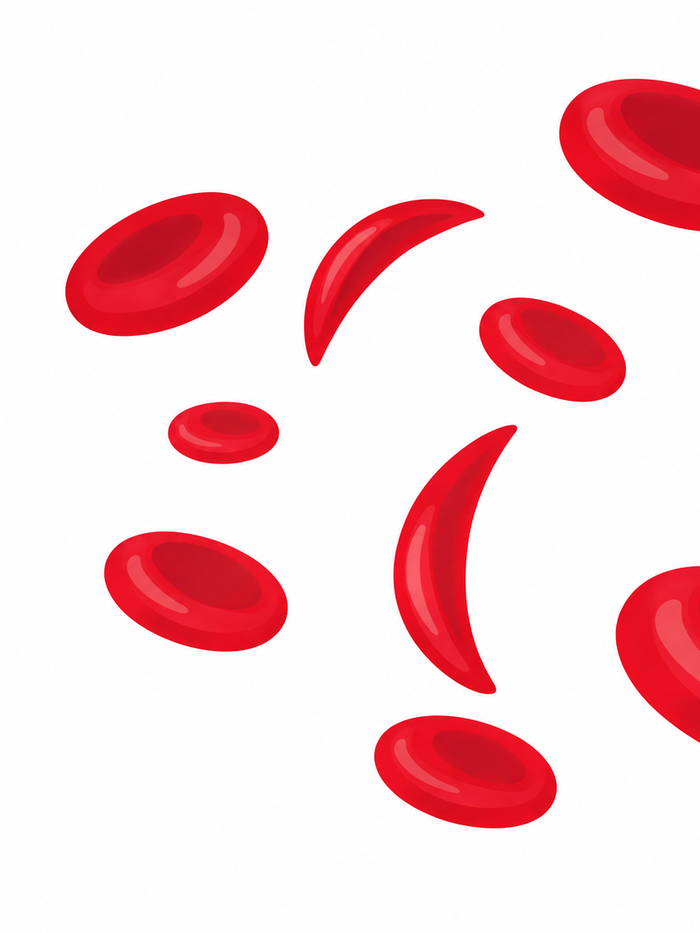
A genetic blood disorder that causes red blood cells to become stiff and shaped like sickles. It leads to severe pain, infections, and complications; especially without proper treatment.
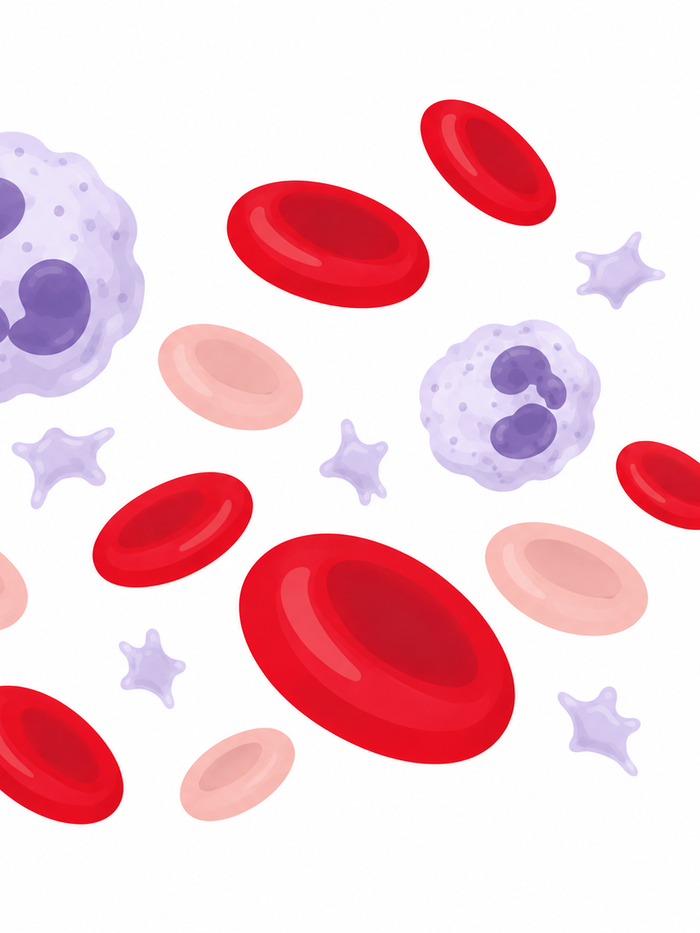
Blood disorders are conditions that affect how your blood cells are made or how they function. They can affect red blood cells, white blood cells, platelets or bone marrow, leading to problems such as fatigue, infections or unusual bleeding. Some blood disorders are inherited, while others develop later in life, and certain serious conditions may require a stem cell transplant.
Blood disorders are medical conditions that affect the components of your blood; red blood cells, white blood cells, platelets, or plasma. These elements play vital roles: carrying oxygen, fighting infections, and controlling bleeding. When something goes wrong in the blood-making process, or when blood cells function abnormally, it can lead to serious health issues.
Unlike blood cancers, which involve the uncontrolled growth of abnormal blood cells, blood disorders are often about the inability of the bone marrow to produce healthy cells or the destruction of those cells once produced. Some blood disorders are inherited from birth, while others develop later in life due to environmental, immune, or unknown causes.
1. Low Blood Cell Counts (Pancytopenia) Many blood disorders result in a drop in the production of all types of blood cells:
2. Bone Marrow Failure Blood cells are made in the bone marrow; the soft tissue inside bones. In blood disorders like Fanconi Anaemia and Severe Aplastic Anaemia, the bone marrow stops working properly, either due to damage or inherited defects. This failure causes a shortage of healthy blood cells.
3. Increased Risk of Infections, Bleeding, and Fatigue. Because the immune system and oxygen transport rely on healthy blood cells, people with blood disorders are more likely to get infections, experience frequent bleeding (such as nosebleeds or gum bleeding), and feel extremely tired even after rest.
4. Need for Long-Term Medical Care People living with these conditions often require:
Early diagnosis can be life-saving. Diagnosis usually involves a combination of:
Some children are diagnosed shortly after birth; others show signs later in life such as persistent tiredness, repeated infections, or unexplained bruising.
Some blood disorders are inherited, meaning they are passed from parent to child through genes. Others are acquired, meaning they develop later in life due to:
While some people are at higher risk due to their genetic background, anyone can develop a serious blood disorder. In South Africa, poverty-related factors like poor nutrition, limited access to early diagnosis, and untreated infections can also worsen outcomes.
Blood disorders affect every part of life, from energy levels to the ability to go to school or work. But with the right care, many people live full lives. Management may include:
If you or a loved one has been diagnosed with a blood disorder, know that you are not alone and that support, treatments, and hope are available.