Leukaemia, a Type of Blood Cancer
Understanding Leukaemia in South Africa
Leukaemia is a type of blood cancer that begins in the bone marrow, the soft tissue inside your bones where blood cells are made. It leads to the production of abnormal white blood cells that grow out of control and crowd out healthy cells. This weakens your immune system and affects your body’s ability to carry oxygen, fight infections, and stop bleeding.
In South Africa, many people are still unaware of how serious and urgent leukaemia can be. While some types progress slowly, others advance rapidly and need immediate treatment.
How Leukaemia Affects the Body
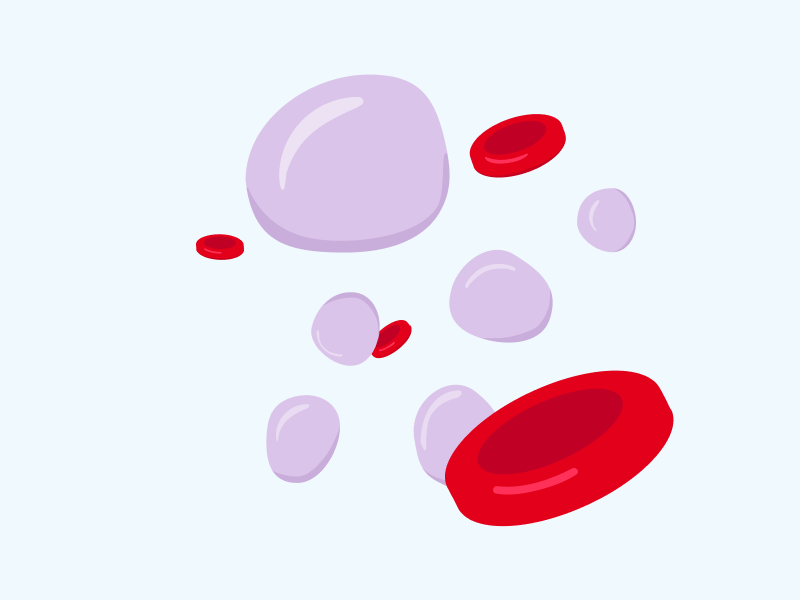
Your bone marrow works like a production line, making red blood cells (to carry oxygen), white blood cells (to fight infection), and platelets (to help with blood clotting). When someone has leukaemia, the bone marrow produces abnormal white cells that don’t work properly.
These abnormal cells:
- Multiply too quickly
- Crowd out healthy cells
- Interfere with the body’s normal functions
This can cause symptoms like fatigue, frequent infections, bruising, and shortness of breath.
Fortunately, in most cases the disease is diagnosed during the first stage, when the symptoms are still minor. However, sometimes the leukaemia is detected in its advanced phase, when it progresses rapidly.
Types of Leukaemia
Leukaemia isn’t just one disease. It comes in several forms, based on how fast it grows and what kind of blood cells it affects. The four most common types are:
Acute Myeloid Leukaemia (AML)
AML progresses quickly and affects myeloid cells. It is more common in adults but can also occur in children. Immediate treatment is often needed. AML is the most common type of acute leukaemia in adults. It starts in the bone marrow, often in white blood cells called myeloblasts. But AML can also affect red blood cells and platelets. As abnormal cells increase, they overwhelm healthy cells in bone marrow and blood.
Acute Lymphoblastic Leukaemia (ALL)
ALL mostly affects children, especially between ages 2 and 10. It grows quickly and requires urgent treatment, but outcomes can be very good if caught early.
Chronic Myeloid Leukaemia (CML)
CML develops slowly and can go unnoticed in its early stages. It mostly affects adults and can often be managed with long-term treatment.
Chronic Lymphocytic Leukaemia (CLL)
CLL is most common in older adults and progresses very slowly. Some people may live with CLL for years without symptoms or treatment. CLL is the most common type of chronic leukaemia in adults. It occurs when bone marrow makes more lymphocytes than it should. These cells become cancerous and don't work normally.
As the number of cancer cells increases, they block healthy blood cells from doing their job. CLL mostly occurs in adults in midlife and older. Based on the CLL subtype, cancer may progress slowly or quickly.
Common Symptoms of Leukaemia
Leukaemia symptoms can vary but often include:
- Unexplained fatigue or weakness
- Persistent infections
- Bruising or bleeding easily
- Night sweats
- Fever
- Swollen lymph nodes
- Bone or joint pain
- Weight loss
In many South African cases, symptoms are mistaken for other illnesses like flu or TB, which can delay diagnosis.
How Leukaemia Is Diagnosed
Diagnosis usually starts with a blood test to check your white blood cell count. If needed, doctors may do a bone marrow test to confirm the type of leukaemia. Other scans or genetic tests might be used to understand how advanced the disease is.
In South Africa, diagnosis may begin at a GP or clinic and be confirmed at a specialist centre or public hospital with a haematologist.
Treatment Options in South Africa
Treatment depends on the type of leukaemia, your age, and your health. It may include:
- Chemotherapy: Drugs to kill cancer cells
- Radiation therapy: High-energy waves to destroy cancer cells
- Targeted therapy: Medicine that attacks specific cancer cells
- Stem cell transplant: Replaces damaged bone marrow with healthy stem cells
In many cases, a stem cell transplant is the only chance for survival. But only 30% of patients will find a match within their family. The rest rely on the kindness of strangers.
How You Can Help
DKMS Africa helps South African patients with leukaemia and other blood cancers find matching stem cell donors. Registering is easy and free. All it takes is a simple cheek swab to get started. If you match with a patient, you could be their only hope.