
Non-Hodgkin's, A Type of Lymphoma
NHL varies widely; some types grow slowly with few symptoms, while others progress rapidly. Early diagnosis and treatment can improve outcomes, so understanding this disease is important for anyone affected in South Africa and beyond.
What is Non-Hodgkin Lymphoma?
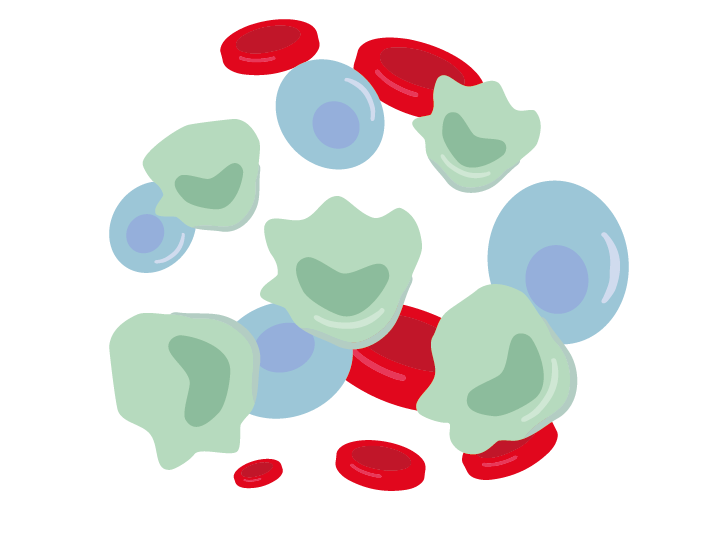
Non-Hodgkin lymphoma (NHL) is not a single disease but a broad category of cancers that develop from abnormal lymphocytes. These cells normally help defend your body against infections. In NHL, the lymphocytes multiply without control and lose their ability to fight infection properly. This causes swollen lymph nodes, and the abnormal cells can accumulate in other parts of the body, including the liver, spleen, bone marrow, and sometimes other organs.
There are over 30 different subtypes of NHL, each with unique features and behaviors. Common types include diffuse large B-cell lymphoma, follicular lymphoma, and Burkitt lymphoma. The disease may be classified as either indolent (slow-growing) or aggressive (fast-growing), influencing treatment options and prognosis.
Symptoms of Non-Hodgkin Lymphoma
Symptoms can be subtle and vary depending on the lymphoma’s type and location. The most common sign is painless swelling of lymph nodes, typically found in the neck, armpits, or groin. Other symptoms to watch for include:
- Persistent fatigue and weakness
- Unexplained weight loss
- Night sweats that soak clothing
- Fever or recurrent infections
- Breathlessness or chest discomfort if lymph nodes in the chest are affected
- Persistent itching or skin rashes in some cases
Because these symptoms can overlap with many other conditions, it is essential to see a healthcare professional if they last longer than a few weeks.
Causes and Risk Factors
The exact cause of non-Hodgkin lymphoma is unknown, but it starts when the DNA of lymphocytes mutates, causing abnormal growth. Several factors can increase the risk of developing NHL, including:
- Weakened immune system from medical conditions like HIV or autoimmune diseases
- Use of immunosuppressive drugs after organ transplants
- Infection with viruses such as Epstein-Barr virus (which causes glandular fever) or HIV
- Exposure to certain chemicals and pesticides
- Older age, with increased risk after 60 years
In South Africa, the prevalence of HIV is a notable factor increasing NHL risk. While NHL isn’t contagious, having a close family member with lymphoma slightly increases your risk.
How is Non-Hodgkin Lymphoma Diagnosed?
Diagnosis begins with a physical exam and a review of symptoms. Blood tests check for abnormalities in blood cell counts and organ function. A biopsy; removing and examining lymph node tissue, is essential for confirming the diagnosis and identifying the lymphoma subtype.
Additional imaging tests like CT scans, PET scans, or MRI help determine the extent of the disease. Bone marrow biopsies may also be performed to check if the cancer has spread there. Accurate staging and grading guide treatment decisions and prognosis.
Treatment Options
Treatment depends on the NHL subtype, stage, and your overall health. Common treatments include:
- Active monitoring ("watch and wait") : For slow-growing lymphomas without symptoms, treatment may be delayed while monitoring closely.
- Chemotherapy : Drugs that kill cancer cells or stop their growth, often given through a vein or as oral medication.
- Radiotherapy : High-energy rays target affected lymph nodes or organs, especially for early-stage disease.
- Targeted therapy and immunotherapy : Medications like monoclonal antibodies (e.g., rituximab) or CAR T-cell therapy stimulate your immune system to attack lymphoma cells.
- Steroids : Often used with chemotherapy to improve treatment effectiveness and manage side effects.
- Stem cell transplant : For some aggressive or relapsed cases, a transplant may restore healthy blood cell production after high-dose chemotherapy.
Your healthcare team in South Africa will work with you to design a personalized treatment plan considering the latest protocols and your unique needs.
Side Effects and Long-Term Considerations
Treatments can cause side effects like fatigue, infections, nausea, hair loss, and changes in blood counts. Some may affect fertility or increase the risk of other health problems later in life. Regular follow-up care helps manage side effects and detect any signs of relapse early.
Vaccinations and healthy lifestyle changes support immune recovery after treatment. Psychological support and counseling are also valuable during this journey.
Support and Resources in South Africa
If you or a loved one is diagnosed with non-Hodgkin lymphoma, support is available through hospitals, cancer centers, and organizations like DKMS Africa. Access to clinical trials and new treatments is growing locally, improving survival and quality of life.
Education and awareness about lymphoma symptoms can lead to earlier diagnosis and better outcomes. Don’t hesitate to reach out to your healthcare provider for any concerns or questions.
Conclusion
Non-Hodgkin lymphoma is a complex group of blood cancers affecting the lymphatic system. With advances in diagnosis and treatment, many people in South Africa and worldwide live full lives after NHL. Early detection, expert care, and support are key. Stay informed, watch for symptoms, and consult healthcare professionals promptly.

