What is Hodgkin's Lymphoma?
What is Hodgkin Lympoma?
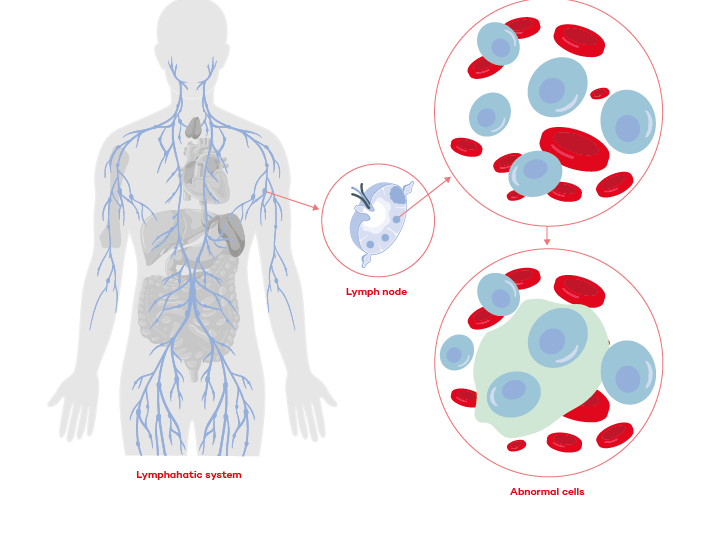
Hodgkin lymphoma is a cancer that starts in lymphocytes, a type of white blood cell found in the lymphatic system. The disease causes these cells to mutate and grow uncontrollably, leading to swollen lymph nodes and impaired immune function.
One of the key features that sets Hodgkin lymphoma apart from other types of lymphoma is the presence of Reed-Sternberg cells, large, abnormal B cells that are visible under a microscope and used to confirm diagnosis.
In South Africa, like in many parts of the world, delayed diagnosis is common due to symptoms being mistaken for more frequent infections like TB or HIV. This page will help you understand what Hodgkin lymphoma is, its symptoms, causes, treatment options, and how to support those affected.
Hodgkin lymphoma can affect any part of the lymphatic system, including:
- Lymph nodes in the neck, chest, underarms, and groin
- The spleen
- Thymus gland
- Tonsils
- Bone marrow
How common is hodgkin lymphoma?
Although relatively rare, Hodgkin lymphoma is one of the most common cancers diagnosed in:
- Young adults aged 15 to 35
- Adults over 60
Men are slightly more likely to be diagnosed, except in some subtypes that affect more women.
Symptoms of Hodgkin Lymphoma
The most common early symptom is painless swelling of lymph nodes, particularly in the neck, underarm, or groin. Other symptoms often mimic common illnesses, which can lead to misdiagnosis or delays in care.
Common signs include:
- Persistent fatigue
- Drenching night sweats
- Unexplained fever
- Unintended weight loss
- Itchy skin
- Shortness of breath or chest pain
- Abdominal pain or fullness
- Enlarged spleen or liver
- Pain in lymph nodes after drinking alcohol (less common but specific to HL)
Symptoms such as fever, weight loss, and night sweats are known as B symptoms, and their presence helps doctors determine the severity of the disease.
What causes Hodgkin Lymphoma?
The exact cause of Hodgkin lymphoma isn’t fully understood, but researchers believe it begins with a mutation in the DNA of B lymphocytes. This mutation causes cells to continue growing when they shouldn’t, forming cancerous clusters.
Possible risk factors include:
- Epstein-Barr virus (EBV) infection or past mononucleosis
- Family history of Hodgkin lymphoma
- Weakened immune system from HIV, autoimmune disease, or organ transplant
- Gender and age: Most often found in young adults and men
- Previous radiation or chemotherapy for other cancers
However, many people diagnosed with Hodgkin lymphoma have no known risk factors at all.
Types of Hodgkin Lymphoma
There are two main categories of Hodgkin lymphoma:
1. Classical Hodgkin Lymphoma (cHL) – About 95% of cases
This type is defined by the presence of Reed-Sternberg cells. It includes four subtypes:
- Nodular sclerosis – Most common, often in young adults
- Mixed cellularity – Common in older people and HIV-positive individuals
- Lymphocyte-rich – Early stage, less aggressive
- Lymphocyte-depleted – Rarest and most aggressive
2. Nodular Lymphocyte-Predominant Hodgkin Lymphoma (NLPHL)
A slower-growing subtype, sometimes treated like non-Hodgkin lymphoma. Reed-Sternberg cells are absent in this form.
Diagnosing Hodgkin Lymphoma
Diagnosis often begins with a physical examination and blood tests, followed by more specific procedures.
Tests may include:
- Lymph node biopsy – The only way to confirm HL, used to detect Reed-Sternberg cells
- Blood tests – Including CBC, ESR, LDH, and viral screenings
- Imaging tests – X-ray, CT scan, PET scan, or MRI to detect spread
- Bone marrow biopsy – If disease spread is suspected
In South Africa, diagnosis may begin at a clinic or general hospital and be confirmed by a haematologist or cancer specialist at a referral centre.
Staging of Hodgkin Lymphoma
Hodgkin lymphoma is staged using the Ann Arbor system, which indicates how far the cancer has spread:
- Stage I : One lymph node region or organ is affected
- Stage II : Two or more lymph nodes on the same side of the diaphragm
- Stage III : Affected nodes on both sides of the diaphragm
- Stage IV : Cancer has spread to other organs like liver, lungs, or bone marrow
The presence of B symptoms (fever, weight loss, night sweats) affects prognosis and treatment plans.
Treatment Options
Treatment depends on your age, stage of the disease, and overall health. Most people are treated with a combination of therapies:
- Chemotherapy – Most common and effective
- Radiation therapy – Especially in early stages
- Immunotherapy – Checkpoint inhibitors help the immune system target cancer
- Targeted therapy – Drugs designed to attack lymphoma cells
- Stem cell transplant – Often used if the cancer returns or doesn’t respond
Treatment is available in public and private hospitals in South Africa, though access to newer drugs and donor registries may be limited outside major cities.
You Can Help Save Lives
A stem cell transplant can be the only hope for some patients with Hodgkin lymphoma. While only 30% find a match in their family, most rely on unrelated donors.
DKMS Africa helps patients find matches. Registering is free, quick, and painless, just a cheek swab. You could be someone’s only chance.