Fanconi Anaemia, a type of blood disorder
What is Fanconi Anaemia (FA)?
Fanconi Anaemia (FA) is a rare but serious inherited blood disorder. It affects the body’s ability to make healthy blood cells, leading to bone marrow failure, a higher risk of infections, and in many cases, certain cancers. Though it is a genetic condition, symptoms often don’t appear until early childhood.
For many families in South Africa, FA can feel overwhelming. But early diagnosis, proper management, and awareness about stem cell donation can offer real hope, especially when a matching donor is found.
What happens in Fanconi Anaemia?
In people with FA, the DNA inside their cells cannot repair itself properly. This leads to:
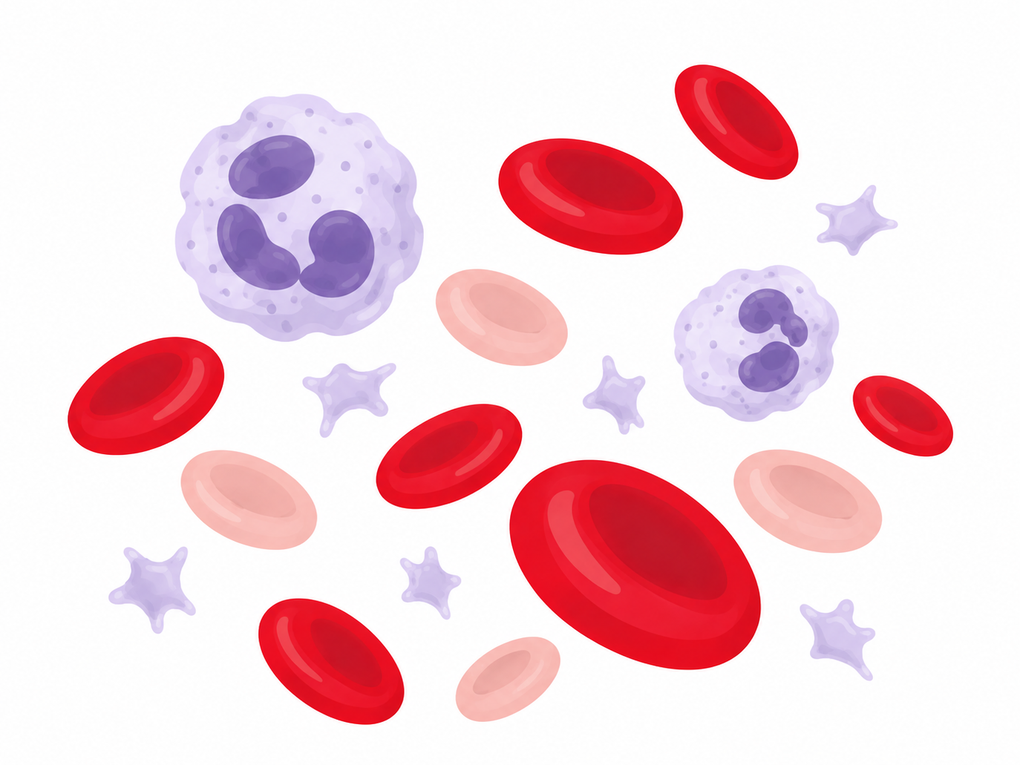
- Bone marrow failure: The body stops producing enough red blood cells (causing fatigue), white blood cells (leading to infections), and platelets (leading to bleeding).
- Physical abnormalities: Children may be born with smaller-than-usual thumbs, arms, or kidneys. Others may have skin pigmentation differences or developmental delays.
- Increased cancer risk: People with FA have a much higher risk of developing blood cancers like leukaemia, especially in childhood or early adulthood.
Symptoms of Fanconi Anaemia
Signs can appear early or slowly over time. They include:
- Constant tiredness and pale skin
- Frequent nosebleeds or easy bruising
- Recurring infections (like colds, fevers, or chest infections)
- Poor growth or small size for age
- Skin spots or unusual colouring
- Visible physical abnormalities (e.g. missing or small thumbs, bone or kidney issues)
Diagnosis of Fanconi Anaemia
Fanconi Anaemia (FA) is usually diagnosed in childhood, often after a child shows signs of unexplained fatigue, frequent nosebleeds, or slow growth. In some cases, babies may be born with visible physical differences such as small thumbs, darker skin patches, or kidney abnormalities — which can serve as early warning signs for doctors.
To confirm FA, doctors will usually begin with:
- Full Blood Count (FBC): This simple blood test checks for low red cells, white cells, and platelets, which is common in FA.
- Chromosome Breakage Test: This specialised test checks how a child’s cells react to certain chemicals. In FA, the DNA breaks more easily.
- Genetic Testing: If FA is suspected, genetic testing may be done to confirm which FA gene is affected. This is also helpful for family planning and future treatment options.
In South Africa, these tests are done at specialist centres like academic hospitals or through referral by a paediatric haematologist. Early diagnosis can lead to better outcomes, so it’s important to consult a healthcare provider if symptoms are present.
Treatment of Fanconi Anaemia
There is no single cure for Fanconi Anaemia, but several treatment options can help manage symptoms and extend life expectancy:
1. Supportive care
This includes:
- Blood Transfusions to treat low red cells and platelets
- Infection Control through antibiotics when white cell counts are low
- Hormone Therapy to encourage bone marrow to produce more cells in the short term
This is usually the first step after diagnosis and continues as needed.
2. Bone marrow (stem cell) transplant
This is currently the only long-term treatment that offers a potential cure for the blood-related effects of Fanconi Anaemia. In this procedure, healthy stem cells are transplanted from a matched donor to replace the child’s faulty bone marrow.
However, finding a matching donor is especially difficult for Black, Coloured, Indian, and Asian children in South Africa, due to a low number of registered donors from these backgrounds. That’s why DKMS Africa’s work, encouraging more South Africans to register as donors is so important.
3. Cancer monitoring and treatment
People with FA are at higher risk of developing cancers, especially leukaemia and head-and-neck cancers. Regular check-ups and early screening are essential. If cancer is found, treatment may include surgery, chemotherapy, or radiation, although lower doses are often used due to the body’s reduced ability to repair damaged cells.
Living with Fanconi Anaemia
Children with FA need consistent care from haematologists, often at large public hospitals or specialist centres. Management may include:
- Blood transfusions to manage low counts
- Antibiotics to treat or prevent infections
- Growth and hormone therapy if development is delayed
- Cancer screenings from a young age
However, the only known cure is a stem cell transplant (also called a bone marrow transplant).