Severe Aplastic Anaemia, a Type of Blood Disorder
What is Severe Aplastic Anaemia (SAA)?
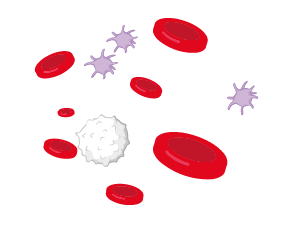
Severe Aplastic Anaemia is a rare blood disorder in which the bone marrow (the soft tissue inside bones) stops producing sufficient blood cells. These include:
- Red blood cells, which carry oxygen (low=Anaemia)
- White blood cells, which fight infections (low=infections)
- Platelets, which help control bleeding (low=bleeding and bruising)
When the marrow fails, patients experience fatigue, increased risk of infections, and uncontrolled bleeding. SAA differs from mild or moderate forms of aplastic anaemia due to the critical drop in blood cell counts, requiring immediate and aggressive treatment. It affects children and adults alike, often appearing suddenly and worsening quickly if left untreated.
What Causes Severe Aplastic Anaemia?
SAA may be:
- Acquired due to autoimmune disease, toxins, chemotherapy, or viral infections like hepatitis
- Inherited (especially in children) as part of syndromes like Fanconi anaemia
Often, the exact cause remains unknown (called idiopathic), but it can also be triggered by:
- Autoimmune reactions (the body attacks its own bone marrow)
- Certain medications or toxins
- Viral infections (such as hepatitis or EBV)
- Radiation or chemotherapy
- Inherited bone marrow failure syndromes
It is not contagious and is very different from cancers like leukaemia, though the symptoms may overlap.
Who It Affects in South Africa
Severe Aplastic Anaemia can affect anyone, regardless of age, gender, or race. However, children and young adults are often the most impacted.
In South Africa, late diagnosis and limited access to transplant facilities can worsen outcomes, especially in rural areas. Black and Coloured patients face additional challenges due to low donor representation.
Signs and Symptoms of Severe Aplastic Anaemia
The symptoms may appear suddenly or develop over weeks. Look out for:
- Unexplained bruising or bleeding
- Fatigue and weakness
- Pale skin
- Frequent or severe infections
- Dizziness or shortness of breath
- Nosebleeds or bleeding gums
- Fever or recurring illness
Because the condition affects all types of blood cells, the symptoms can be wide-ranging and severe.
How is Severe Aplastic Anaemia Diagnosed?
Diagnosis typically involves:
- Full blood count (FBC): To assess the levels of red cells, white cells, and platelets
- Bone marrow biopsy: A key test to confirm that the bone marrow is empty or underperforming. A small sample of marrow shows decreased or absent stem cells
- Blood tests: To rule out other causes like leukaemia, viral infections, or vitamin deficiencies. Low counts of red cells, white cells, and platelets
Doctors may also run genetic tests for inherited disorders in children or those with a family history of bone marrow failure. Early diagnosis improves the chance of successful treatment, especially if a transplant is needed.
Treatment Options in South Africa
Treatment depends on age, severity, and donor availability. In many cases, a stem cell transplant is the only curative option, especially in children and younger adults.
Main treatments include:
- Stem cell (bone marrow) transplant: A life-saving procedure that replaces damaged marrow with healthy donor cells. This offers the best chance of long-term survival in eligible patients.
- Immunosuppressive therapy (IST): Involves drugs like ATG and cyclosporine to stop the immune system from attacking the bone marrow. Often used when a donor is unavailable.
- Supportive care: Includes blood transfusions, antibiotics, and medicines to stimulate blood cell production (e.g., G-CSF).
Because access to treatment is limited in some regions, early referral to a specialist haematology centre is crucial.
Living with Severe Aplastic Anaemia in South Africa
SAA is an overwhelming diagnosis, particularly for young people and families with limited resources. Challenges may include:
- Long travel distances to tertiary hospitals for transfusions
- Emotional and financial strain
- Difficulty finding a matching donor, due to limited donor diversity
- Missed school or work
But with early diagnosis, proper care, and a stem cell transplant from a matched donor, many patients can go on to live full, healthy lives.
You Can Be the Cure
Patients with Severe Aplastic Anaemia rely on strangers registering as stem cell donors. A match isn’t based on blood type; it’s based on tissue type (HLA), which is inherited.
Medical review
This content has been reviewed by the DKMS Africa Medical Team for medical accuracy.
Last reviewed: March 2026