
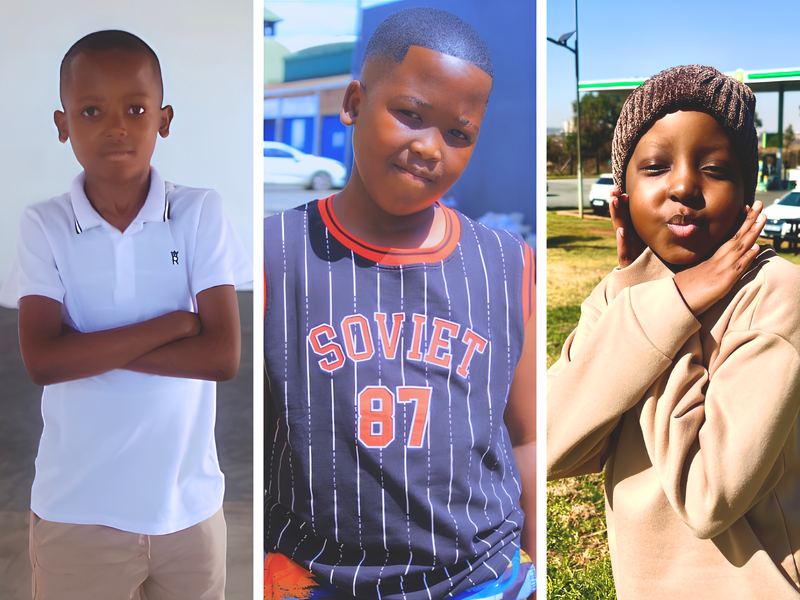
Three Children Are Waiting for the Matches They Need
Omphile: A little boy who just wants to play again
Omphile was in Grade 1 when his mother, Nonhle, noticed something was terribly wrong. He had begun bleeding persistently from his gums and beneath his teeth, and the bleeding would not stop.

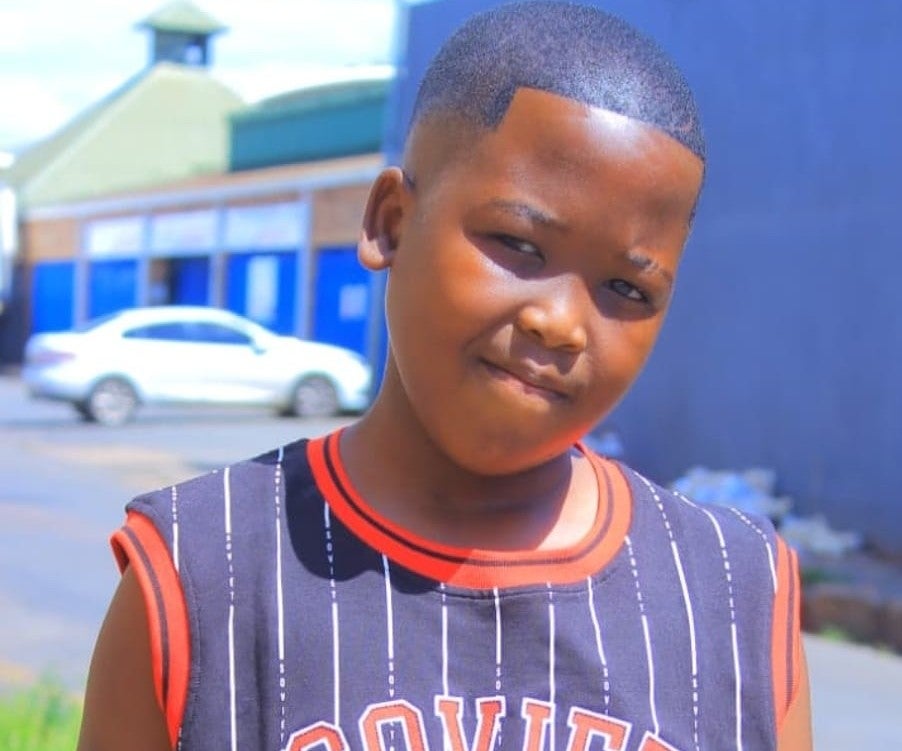
In 2023, the family finally learnt why. Omphile had severe aplastic anaemia, a rare condition in which the bone marrow fails to produce enough healthy blood cells.
The diagnosis changed almost everything about his childhood.
While his classmates continued learning and making memories together, Omphile spent an entire year away from school because he was too ill to attend.
And it wasn't only school he lost. Omphile loves playing ball, but the games that once brought him joy now pose a risk to his health. His doctor has advised him to stop playing because his condition makes bleeding and other complications particularly dangerous.
For Nonhle, it means watching her son miss out on something he loves. Omphile still dreams of playing ball as he grows older. First, he needs the chance to get well.
Zobuhle: The class captain who misses her old life
Eight-year-old Zobuhle, affectionately known as Zoe, was the kind of little girl who loved being around people. Energetic, outgoing and full of life, she especially loved school, where she had become a class captain.

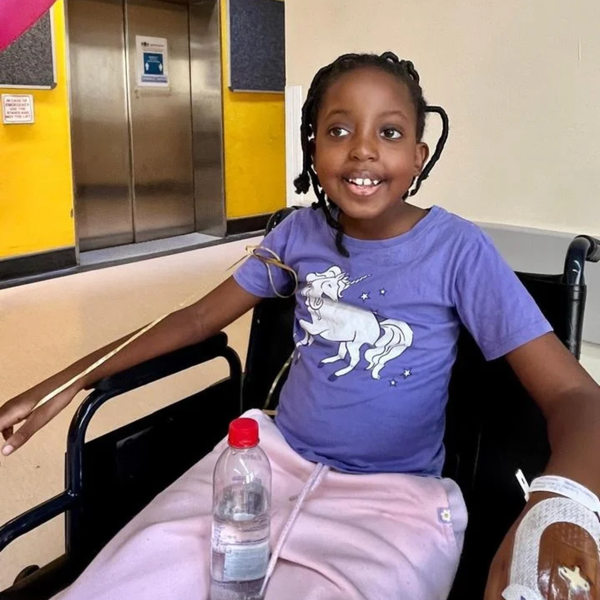
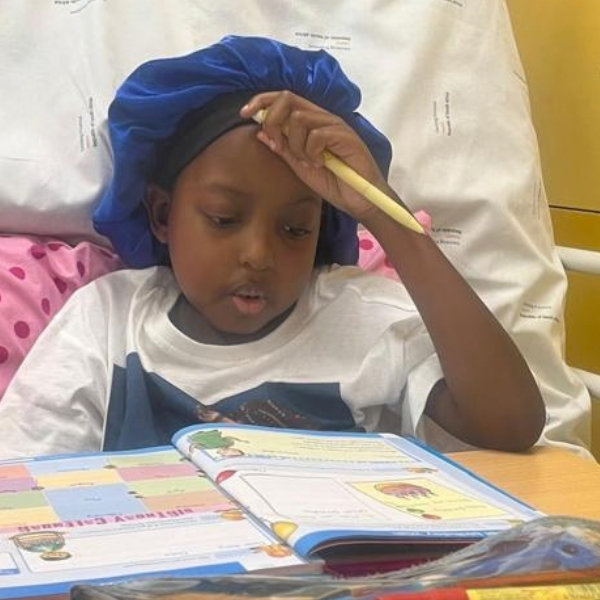
Her mother, Ubokeng, remembers a healthy, happy child before the illness began to take hold.
At first, there seemed little reason to fear the worst. Zoe was getting sick more often, but the family believed she was suffering from an infection. Doctors prescribed antibiotics and other medication, and sometimes she appeared to improve.
But the symptoms kept returning. Zoe suffered recurring stomach aches, severe headaches and prolonged fevers. She began losing weight, her stomach became swollen, and one of her eyes appeared to protrude.
Eventually, she could no longer attend school as she once had.
Desperate for answers, Ubokeng took her daughter to a private paediatrician, explaining everything the family had witnessed. Soon afterwards came the call no parent wants to receive. Zoe's blood counts were very low, and she needed to be admitted to hospital for a bone marrow biopsy.
The diagnosis was T-cell acute lymphoblastic leukaemia, an aggressive form of blood cancer.
The little girl who once thrived in the classroom was suddenly fighting for her life, while her family faced the urgent search for a matching stem cell donor.
Nkanyezi: "Why am I always sick?"
Nkanyezi has spent more than half his life living with illness.
He was only five years old when he first became sick in 2019. It started with a persistent cough that refused to clear, no matter what medication he was given.

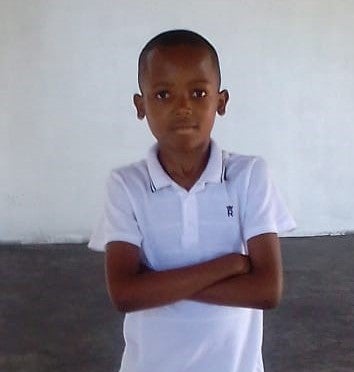
Doctors treated him for tuberculosis for six months, but he did not improve. His mother held on to the hope that the treatment would work and that her little boy would soon be healthy again.
Instead, the family learnt that Nkanyezi had aplastic anaemia.
Years later, he is still fighting the illness. He goes to school whenever he is well enough, but hospital stays continue to interrupt his education.
Perhaps the hardest moments for his mother are the questions she cannot easily answer. Nkanyezi often asks why he is always sick when other children are healthy.
His mother describes him as a strong boy who keeps pushing forward despite everything he has endured. She has not given up hope that one day he will recover and says she would be deeply grateful to anyone willing to register as a stem cell donor.
Three children. Three matches still to be found.
Although their diagnoses differ, all three children need a matching stem cell donor who could give them a chance at a cure.
Most patients who need a stem cell transplant cannot find a suitable match within their family and depend on unrelated donors on the stem cell registry. Finding that person is not as simple as matching blood groups. Donors and patients must have closely matching tissue characteristics, and each child needs their own compatible donor.
Because tissue types are inherited, patients are more likely to find a match among people who share their ethnic background. This makes it especially important that South Africa's donor registry reflects the diversity of the country's population.
"These children should be worrying about schoolwork, making friends and what games they'll play tomorrow. Instead, they're facing illnesses that have taken away so much of what makes childhood special," says Palesa Mokomele, Head of Community Engagement and Communications at DKMS Africa.
She continues, "For their parents, the hardest part is knowing that someone out there could be a match for their child, but that person may not even know it because they haven't registered. We cannot give these children back the years they've lost, but we can give them a better chance at the years still ahead. That starts with more people coming forward to become stem cell donors."
You could be the stranger one of these children is waiting for
Joining the registry takes only a simple cheek swab. DKMS Africa provides the kit free of charge, delivers it to the person’s door and arranges collection once it has been completed.
Once the swab has been analysed, the person’s tissue type is listed on the global registry, and they could one day be identified as a match for a patient anywhere in the world. Everyone on the registry is encouraged to keep their contact details up to date so they can be reached quickly if they come up as a potential match.
South Africans aged 17 to 55 who are in good health can register at www.dkms-africa.org/register-now. For more information, contact DKMS Africa on 0800 12 10 82.
About DKMS
DKMS is an international non-profit organization dedicated to the fight against blood cancer. It was founded in Germany in 1991 by Dr. Peter Harf and DKMS together with the organization’s over 1,200 employees and has since relentlessly pursued the aim of giving as many patients as possible a second chance at life. With over 13.5 million registered donors, DKMS has succeeded in doing this more than 115,000 times to date by providing blood stem cell donations to those in need. This accomplishment has led to DKMS becoming the global leader in the facilitation of unrelated blood stem cell transplants. The organization has offices in Germany, the US, Poland, the UK, Chile, India and South Africa.
DKMS is also heavily involved in the fields of medicine and science, with its own research unit focused on continually improving the survival and recovery rate of patients. In its high-performance laboratory, the DKMS Life Science Lab, the organization sets worldwide standards in the typing of potential blood stem cell donors.
DKMS Africa received its WMDA certification in 2025, cementing its position as South Africa’s biggest and most diverse stem cell donor registry.